

Do cashmere pants attract lint?
Do cashmere pants attract lint? This is a question that many consumers often ask when considering purchasing cashmere pants. As a supplier of Cashmere Pants, I've encountered this query numerous times and understand the concerns that come with it. In this blog, I'll delve into the scientific aspects of whether cashmere pants attract lint, compare them with other types of pants, and offer some practical tips to deal with lint issues.
The Nature of Cashmere
Cashmere is a luxurious and highly sought - after natural fiber obtained from the undercoat of cashmere goats. It is known for its softness, warmth, and lightweight feel. The fiber itself has a fine, smooth texture, which is one of the reasons for its high - end appeal. However, this very texture also plays a role in its interaction with lint.
Lint is essentially small fibers, often from clothing, fabrics, or dust particles that are floating in the air or rubbing against other surfaces. These tiny fibers can get attracted to other materials based on factors such as static electricity, fiber structure, and surface friction.
Cashmere fibers are relatively fine compared to many other natural and synthetic fibers. Their smooth surface can sometimes act as a magnet for lint because the small lint particles can easily adhere to it. Additionally, cashmere can generate static electricity, especially in dry environments. Static electricity causes the lint to stick to the pants, making it more noticeable.
Comparing Cashmere Pants with Other Types of Pants
Let's compare cashmere pants with Silk Wide - leg Pants and Silk Suit Pants. Silk is another luxurious natural fiber, known for its smooth and slippery surface.
Silk fibers are generally smoother than cashmere fibers. This smoothness means that lint has a harder time adhering to silk pants. Silk also tends to generate less static electricity compared to cashmere, which further reduces the likelihood of lint attraction. However, silk is a delicate fabric and may require more careful handling.

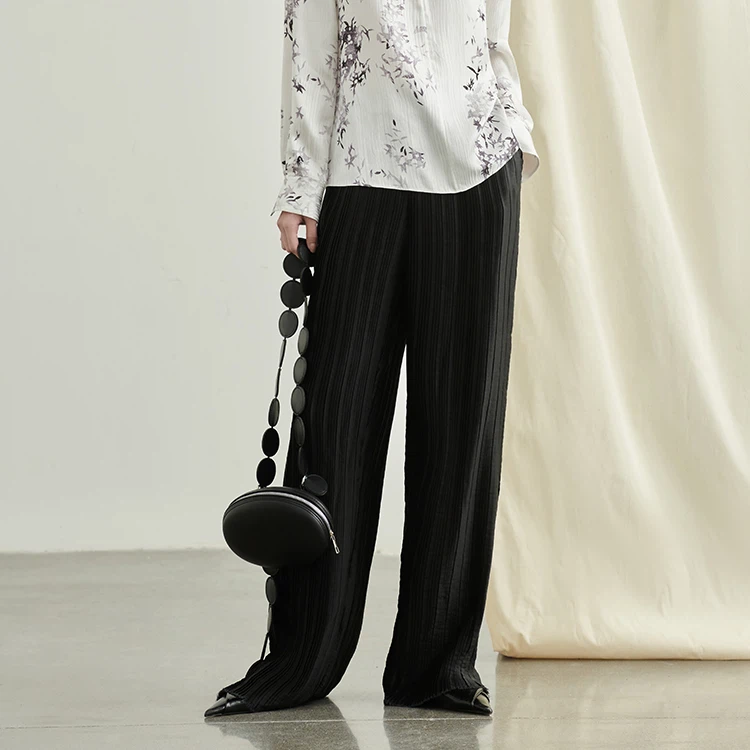
On the other hand, synthetic pants are often made from materials like polyester or nylon. These materials can vary in their lint - attracting properties. Some synthetic fabrics are treated to reduce static and repel lint, while others may attract lint more due to their surface texture and the way they interact with the environment.
Scientific Explanation of Lint Attraction
The attraction of lint to cashmere pants can be explained by a few scientific principles. First, as mentioned earlier, static electricity plays a significant role. When two different materials come into contact and then separate, electrons can transfer between them, creating a static charge. In dry conditions, cashmere pants can easily build up a static charge as they rub against other fabrics, such as the lining of a coat or the fabric of a chair.
The fine structure of cashmere fibers also contributes to lint attraction. The small spaces between the fibers can trap lint particles. Lint is often made up of loose fibers that are similar in size to the gaps in the cashmere fabric, allowing them to get caught and stay on the surface.
Factors Affecting Lint Attraction
Several factors can influence how much lint cashmere pants attract:
- Environment: Dry environments are more likely to cause static electricity, which in turn increases lint attraction. In winter, when the air is dry, cashmere pants may attract more lint compared to humid summer months.
- Washing and Drying: Improper washing and drying methods can damage the cashmere fibers and make them more prone to attracting lint. Using harsh detergents or high - heat drying can cause the fibers to become rough, increasing the surface area for lint to adhere to.
- Contact with Other Fabrics: The more cashmere pants come into contact with other fabrics, the more likely they are to pick up lint. For example, if you frequently wear cashmere pants with a woolen sweater, the loose wool fibers can transfer onto the pants.
Tips to Reduce Lint on Cashmere Pants
As a supplier, I always want my customers to have the best experience with their cashmere pants. Here are some tips to reduce lint attraction:
- Use an Anti - Static Spray: Spraying an anti - static spray on cashmere pants can help reduce static electricity, making it less likely for lint to stick. Make sure to test the spray on a small, inconspicuous area first to ensure it doesn't damage the fabric.
- Lint Rollers: Keeping a lint roller handy is a simple and effective way to remove lint from cashmere pants. Roll the lint roller over the surface of the pants gently to pick up the lint.
- Proper Storage: Store cashmere pants in a clean, dust - free environment. You can use garment bags to protect them from lint and other particles in the air.
- Wash with Care: Use a mild detergent specifically designed for delicate fabrics when washing cashmere pants. Wash them by hand or on a gentle cycle in the washing machine. Avoid using fabric softeners, as they can leave a residue that may attract lint.
Conclusion
In conclusion, cashmere pants do have a tendency to attract lint due to their fine fiber structure and the static electricity they can generate. However, this doesn't mean that you should avoid purchasing cashmere pants. With proper care and the use of the right techniques, you can minimize the lint problem and enjoy the luxury and comfort that cashmere pants offer.
If you're interested in purchasing high - quality cashmere pants or have any questions about our products, we're here to assist you. We offer a wide range of cashmere pants in different styles and colors to meet your needs. Whether you're looking for a pair for everyday wear or a special occasion, our cashmere pants are sure to make a statement. Contact us to start a procurement discussion and find the perfect cashmere pants for you.
References
- Textile Science textbooks on natural fibers
- Research papers on static electricity and fabric interaction
- Industry reports on luxury fabric care and maintenance