


From Dry Cleaners to Washing Machines: Technological Fabrics Are Shedding Silk’s “Difficult to Care For” Label
When silk is mentioned, the first word that comes to many people's minds is "beauty," and the second is "difficult to care for." In the past, buying a silk shirt was like owning a pedigree cat-you had to carefully handle it, send it to the dry cleaners, and hope that cleaning wouldn't cause it to lose its original luster. Frankly, it was quite troublesome.
But this situation is changing.
In the past, silk was only used for special occasions such as formal events and feasts, but technology has changed that and now silk can be worn more frequently (silk clothes can be worn at work, while travelling for business etc.) and silk fabrics can be cleaned at home, silk clothes do not require taking them to the dry cleaners.
How is this possible? The key lies in technological breakthroughs. Traditional silk is considered "delicate" because its fiber structure is easily damaged by the high-speed agitation of a washing machine. New-generation technological fabrics, such as "machine-washable silk" developed by some domestic companies, directly modify the silk fibers. By forming a specific three-dimensional structure between amino acids, the fabric retains its original softness, skin-friendliness, and breathability while resisting the mechanical stress of machine washing.
A particularly intuitive statistic: in laboratory tests, this innovative silk variant exhibited noticeably less wear and tear after 50 regular machine wash cycles than traditional silk showed after only 2 wash cycles. So, what is the implication of these results? Basically, you won't have to refrain from putting a single garment into the wash because it required hand-washing; also, you won't have to fear that the garment gets "destroyed" after the washing machine cycle.
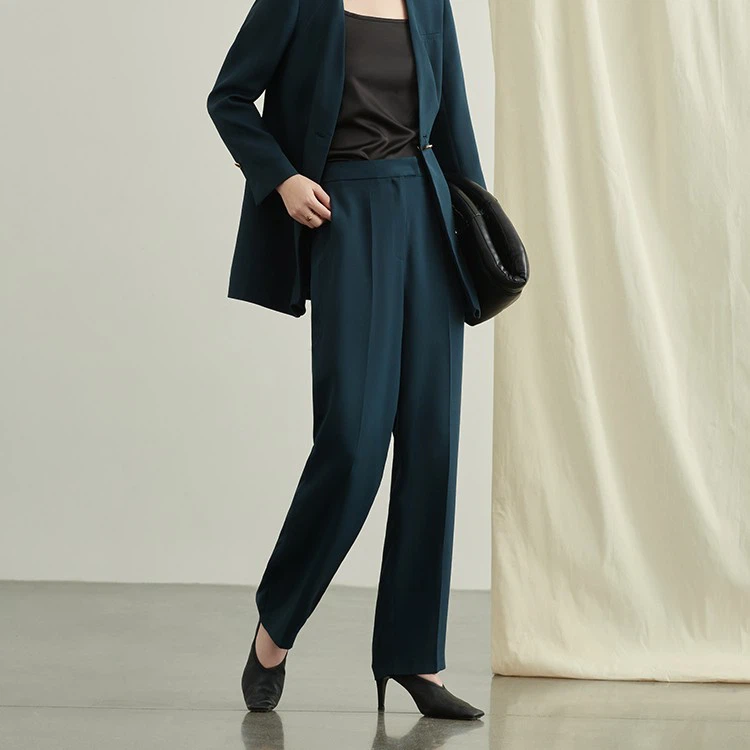

Another label that has been removed is "sun-sensitive." For years, many individuals didn't know that the traditional silk fabric would lose its durability and coloration when exposed to direct sunlight. But now that sun-protective silk is being manufactured, these fabrics have a UV rating of 50+, which means they meet the performance requirements of the professional level of sun protection for clothing protection rating and will provide protection from UV rays for up to 20 washes. As a result, there is now an opportunity for silk to be used as an extended-material for More than just evening clothes; today's garments made from silk will include sun-protective shirts and other work-style type items as well as standard everyday T-shirts.
For suppliers like us who work with fabrics year-round, the biggest change brought by these developments is reflected in customer feedback. Previously, the most frequent questions were "How do I wash it?", "Will it shrink?", and "Can I return or exchange it?" Now, the questions are more likely to be "Can this be machine washed?" and "Does it provide sun protection?" Consumer concerns are decreasing, and the applications of silk are expanding.
Of course, technology is not about turning silk into synthetic fibers. No matter how it is modified, the inherent luster and skin-friendly feel of silk must not be lost. This is our bottom line. The industry refers to this approach as the "easy-care" direction-preserving silk's natural advantages while leaving the more troublesome aspects to technology.
From dry cleaners to washing machines, what has changed is not people's pursuit of beauty, but the way in which that beauty is achieved. For overseas consumers, if you once hesitated to purchase silk because of its perceived "difficulty in care," now may be the time to rediscover it. It remains a remarkably comfortable material to wear against the skin-only now, it can accompany you through many more everyday moments.